El Salvador Adopts Bitcoin as Legal Tender
El Salvador has become the first country to adopt Bitcoin as legal tender. President Bukele's Bitcoin Law is historic, controversial, and deeply uncertain in its implications. It is either a visionary leap or a reckless experiment — and possibly both.
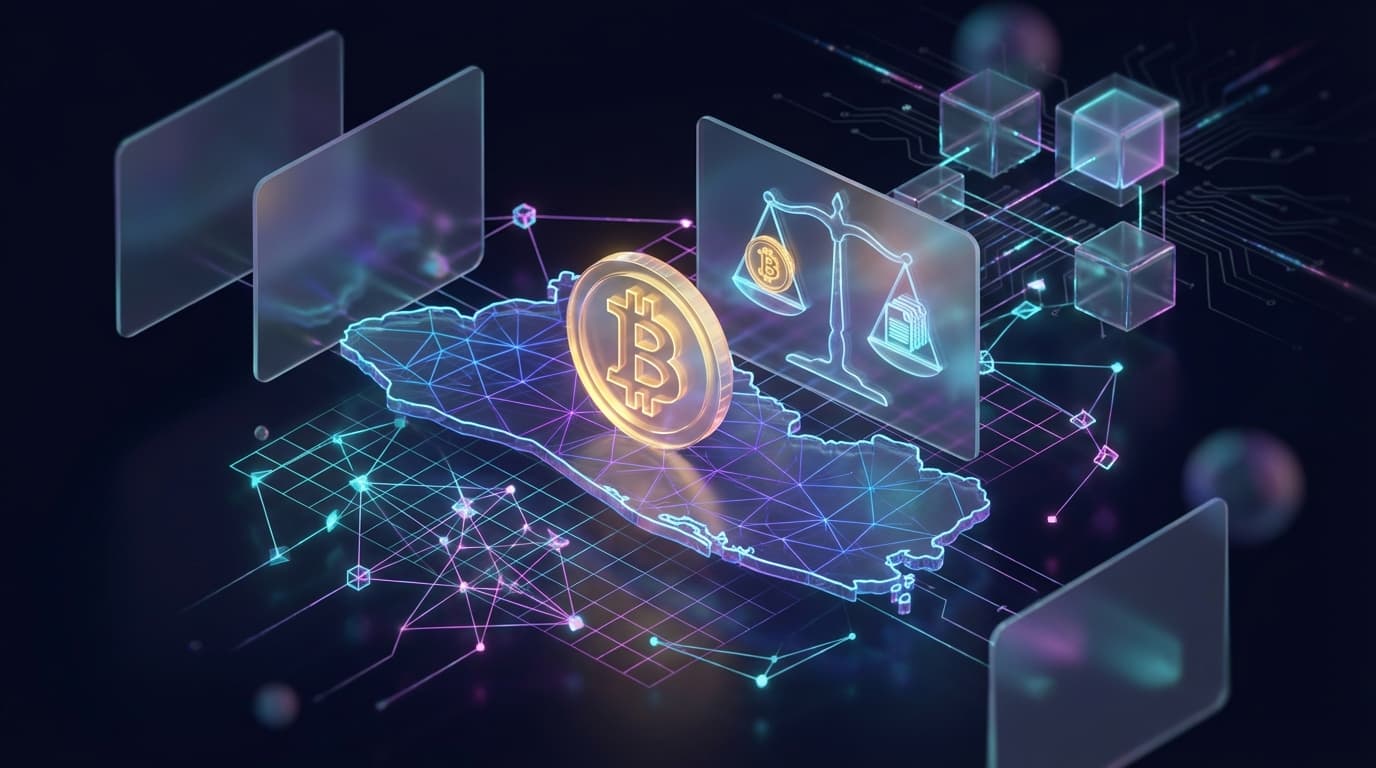
El Salvador Adopts Bitcoin as Legal Tender
President Nayib Bukele announced at the Bitcoin 2021 conference in Miami that El Salvador would adopt Bitcoin as legal tender — alongside the US dollar, which has been the country's official currency since 2001. The Bitcoin Law, passed by El Salvador's legislature within days, requires all businesses to accept Bitcoin as payment, establishes a government-backed wallet (Chivo), and offers $30 in Bitcoin to every citizen who downloads it.
This is unprecedented. No country has ever adopted a cryptocurrency as legal tender. The implications — for El Salvador, for Bitcoin, and for the broader relationship between sovereign states and decentralised money — are profound and deeply uncertain.
Why El Salvador
El Salvador's economic context makes the decision more comprehensible than it first appears. The country has no monetary sovereignty — it dollarised in 2001, giving up its national currency and its ability to set monetary policy. Remittances from Salvadorans working abroad account for over 20% of GDP, and the fees charged by traditional remittance services — Western Union, MoneyGram — consume a significant portion of those transfers. Over 70% of the population is unbanked, lacking access to basic financial services.
Bitcoin, in theory, addresses several of these problems. It provides a payment rail for remittances that is cheaper and faster than traditional services. It gives the unbanked population access to a digital financial system through a smartphone app. And it provides a form of monetary diversification for a country that is entirely dependent on the US dollar — a currency whose monetary policy is set by the Federal Reserve with no consideration for El Salvador's economic needs.
The Risks
The risks are equally significant. Bitcoin's volatility makes it unsuitable as a unit of account for everyday transactions — a cup of coffee that costs $2 today might cost $2.50 or $1.50 tomorrow. The technical infrastructure required to support Bitcoin payments at national scale — reliable internet, smartphone penetration, merchant education — is underdeveloped in El Salvador. And the government's $30 airdrop and mandatory acceptance requirement create coercive dynamics that are at odds with Bitcoin's voluntary, opt-in philosophy.
The international response has been cautious to hostile. The IMF warned that Bitcoin adoption creates financial stability risks and complicates El Salvador's ongoing negotiations for a $1 billion loan programme. The World Bank declined to assist with implementation, citing environmental and transparency concerns. And credit rating agencies are evaluating whether to downgrade El Salvador's sovereign debt.
My View
El Salvador's Bitcoin adoption is historic regardless of its outcome. If it succeeds — if remittance costs decline, financial inclusion improves, and the economy benefits from Bitcoin-denominated investment and tourism — it will provide a template for other developing countries to follow. If it fails — if volatility causes economic disruption, if the technical infrastructure proves inadequate, or if the IMF withholds funding — it will set back the cause of sovereign Bitcoin adoption by years.
The honest assessment is that the outcome is uncertain. The vision is compelling. The execution risks are enormous. And the world is watching.
El Salvador's Bitcoin experiment is the first real-world test of whether a cryptocurrency can function as legal tender in a national economy. The result will tell us more about Bitcoin's practical utility than any amount of theoretical analysis.