Ethereum Dencun and the Layer 2 Fee Revolution
Ethereum's Dencun upgrade introduced proto-danksharding (EIP-4844), slashing Layer 2 transaction fees by 90-99%. Transactions on Arbitrum and Optimism now cost fractions of a cent. The scalability problem that has plagued Ethereum for years is being solved — not on the base layer, but above it.
Ethereum Dencun and the Layer 2 Fee Revolution
Ethereum's Dencun upgrade went live on March 13th, 2024, introducing proto-danksharding through EIP-4844. The upgrade creates a new data type — "blobs" — that Layer 2 rollups can use to post transaction data to Ethereum at dramatically lower cost. The impact was immediate and dramatic: transaction fees on major Layer 2 networks dropped by 90-99%.
A transaction on Arbitrum that cost $0.50 before Dencun now costs less than $0.01. A swap on Optimism that cost $0.30 now costs a fraction of a cent. And Base — Coinbase's Layer 2 network — saw fees drop to levels that make micro-transactions economically viable for the first time.
Why This Matters
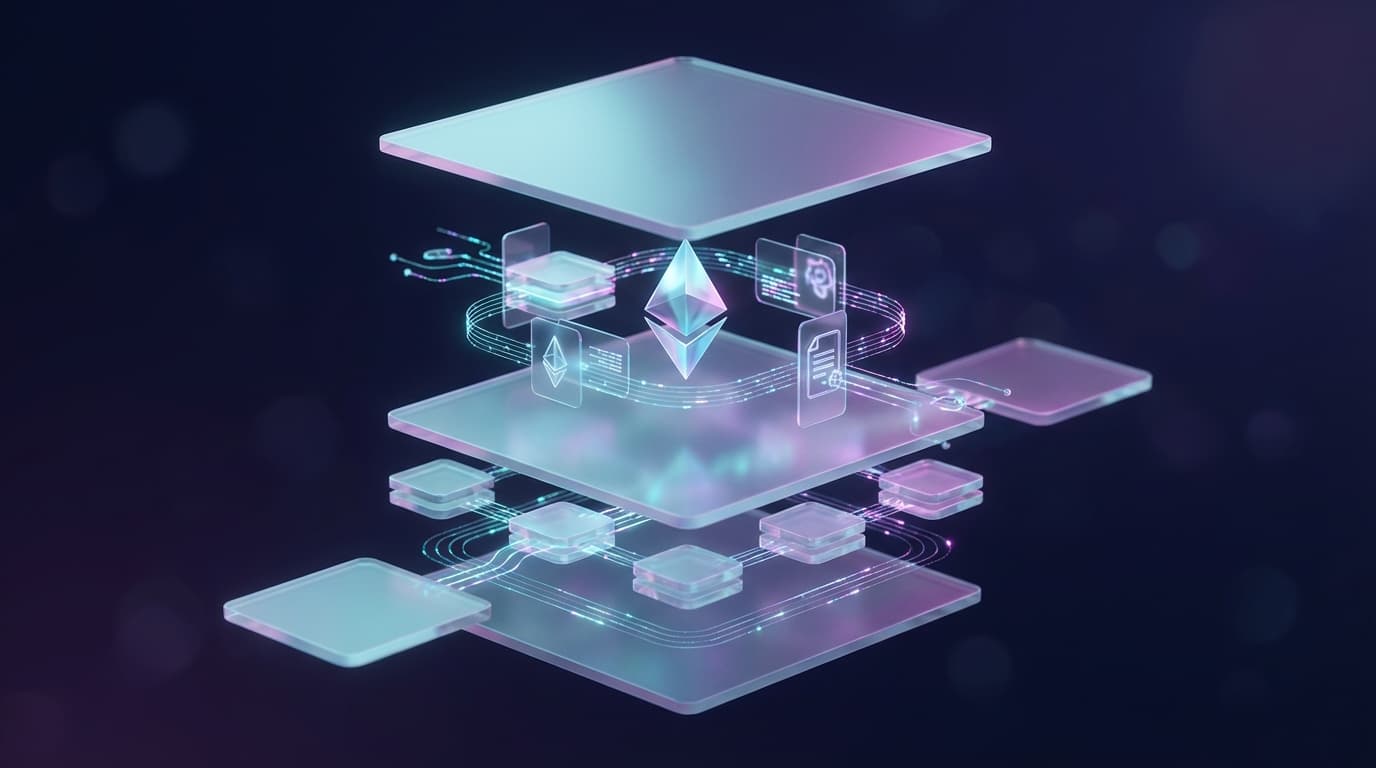
The gas fee problem that I wrote about in 2020 — when DeFi Summer made Ethereum unusable for anyone without thousands of dollars — is being solved. Not through a faster base layer, but through a modular architecture where the base layer provides security and data availability while Layer 2 networks provide cheap, fast execution.
The fee reduction is not incremental. It is transformational. At sub-cent transaction costs, entirely new categories of applications become viable. Social media on-chain. Gaming with on-chain assets. Micro-payments for content. Machine-to-machine transactions for AI agents. The applications that were theoretically possible but economically impractical on Ethereum's base layer are now economically viable on Layer 2.
The Layer 2 Ecosystem
The Layer 2 ecosystem has matured significantly. Arbitrum leads in TVL with over $10 billion. Optimism powers the OP Stack — a modular framework that other projects (including Base and Worldcoin) use to launch their own Layer 2 networks. Base has grown rapidly, driven by Coinbase's distribution and a vibrant developer community. And zkSync and StarkNet are advancing zero-knowledge rollup technology that promises even greater efficiency.
The competition between Layer 2 networks is healthy — driving innovation in execution speed, developer experience, and fee optimisation. But it also creates fragmentation: liquidity, users, and applications are spread across multiple networks, and the bridges connecting them remain a source of friction and risk.
My View
Dencun is the most important Ethereum upgrade since the Merge. The Merge changed Ethereum's consensus mechanism. Dencun changes Ethereum's economics — making the Layer 2 ecosystem that will serve the next billion users economically viable. The scalability problem is not fully solved — further upgrades (full danksharding) will provide even more capacity. But the trajectory is clear, and the fee levels achieved post-Dencun are sufficient to support mainstream applications.
The Ethereum scaling debate is over. The answer is Layer 2 rollups on a modular base layer. Dencun made that answer economically real — and the applications that follow will prove it was the right architecture all along.